

Matsuo Umihiko’s Public Art at the Entrance Hall of S-GATE NAHA SHINTOSHIN
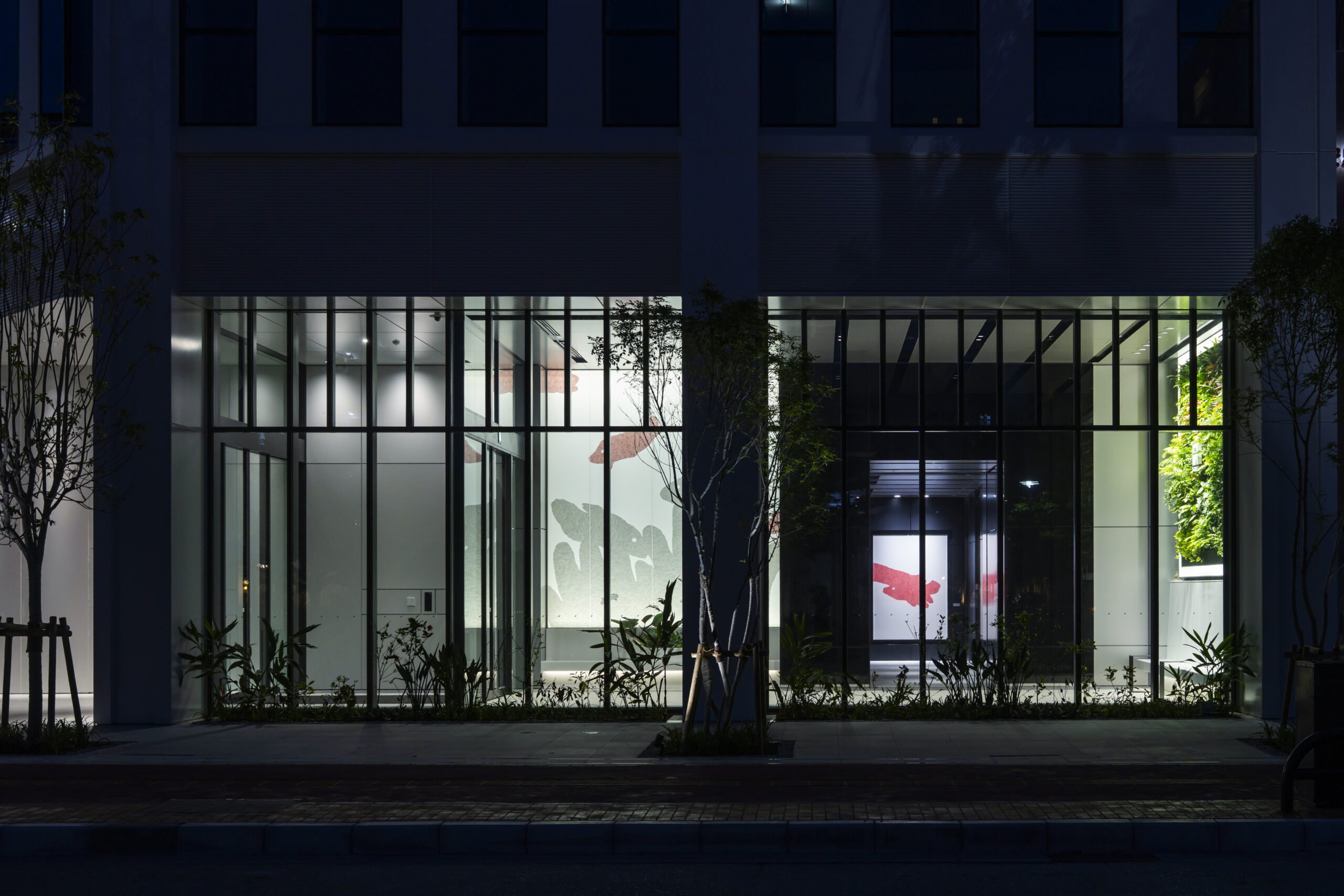
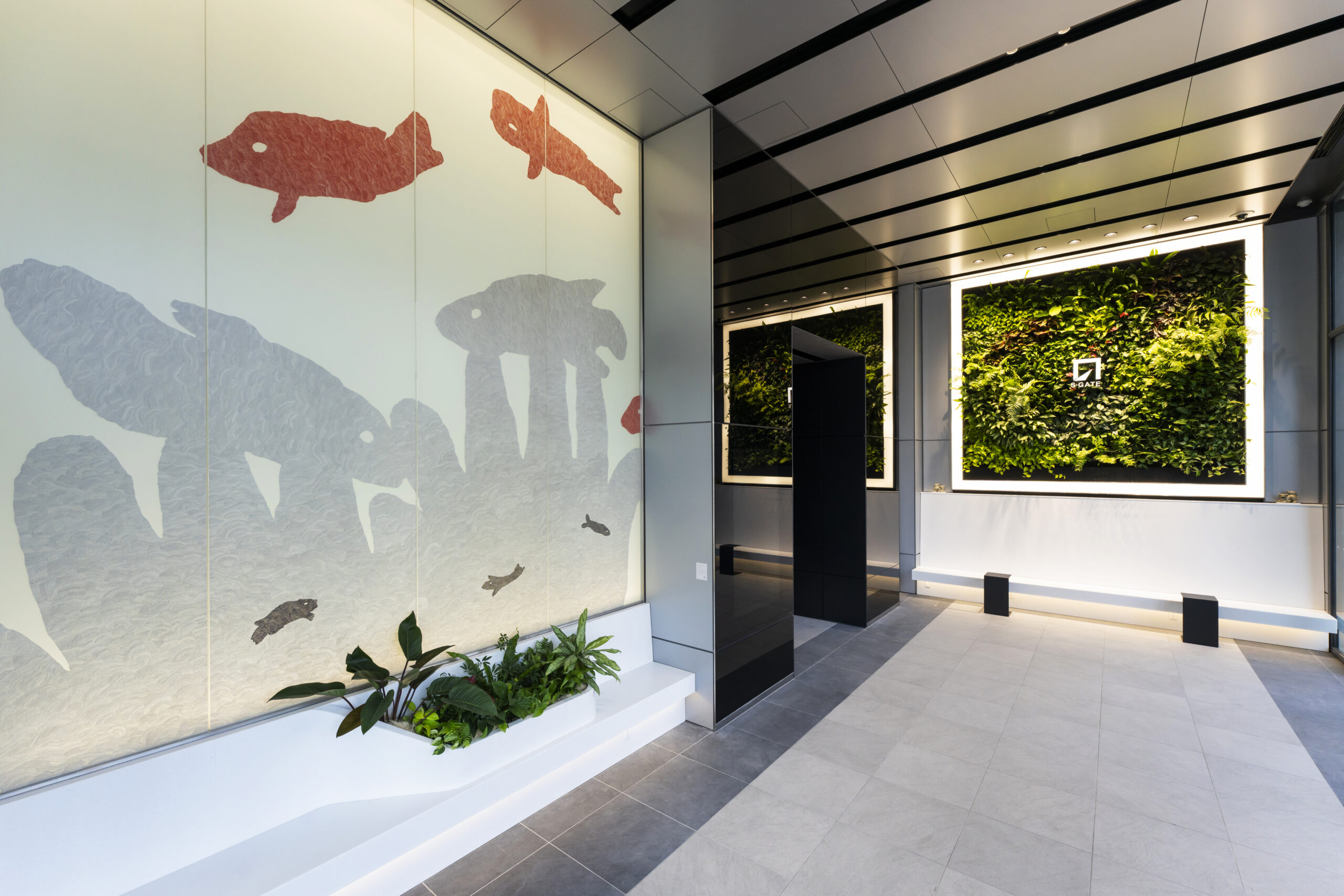
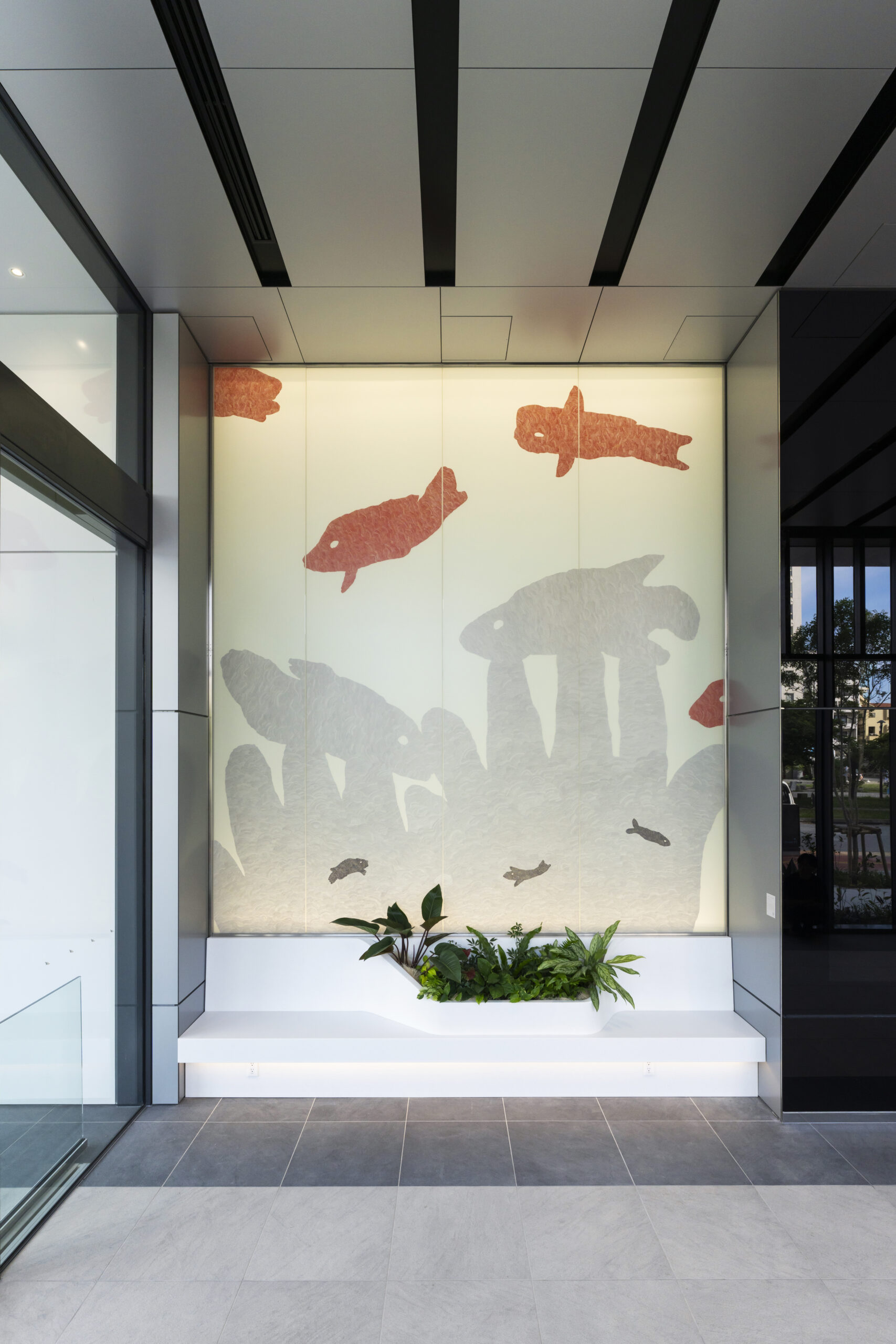
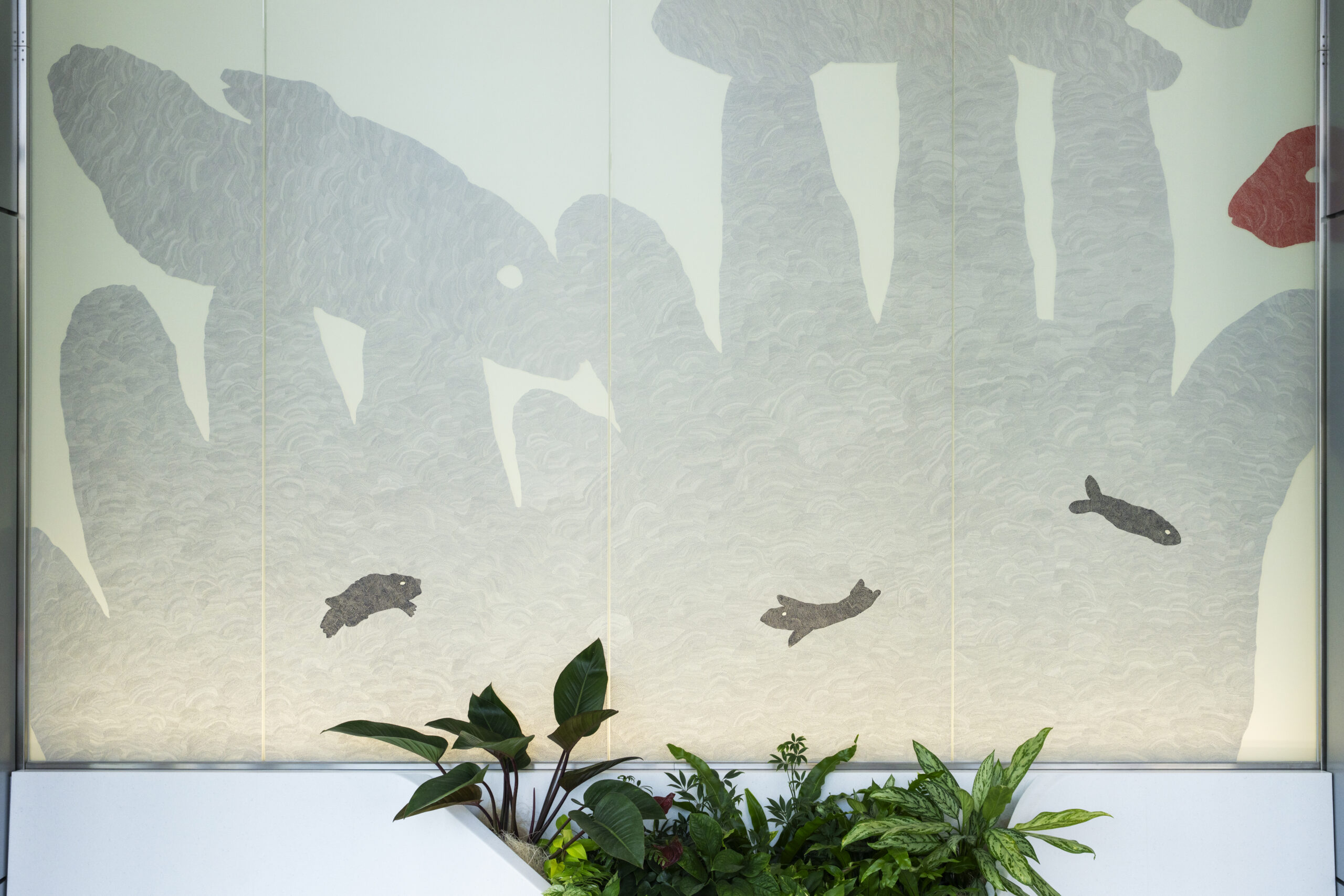
Matsuo Umihiko’s Public Art at the Entrance Hall of S-GATE NAHA SHINTOSHIN
2026
The Entrance Hall of S-GATE NAHA SHINTOSHIN
Okinawa
Artist: MATSUO Umihiko
Client: The Sankei Building Company, Limited
Curator: KANAZAWA Kodama
Project Manager: MASUI Shinichiro
Technical: RYUKYU LOGISTICS,Ltd. / Okisangyo co.,LTD / HIGURE 17-15 cas Co., Ltd.
Photo: OSHIRO Wataru
- Art Consulting
- Curation/Planning
- Management/Coordination
- Researching
Public Art Curation: Matsuo Umihiko at S-GATE NAHA SHINTOSHIN
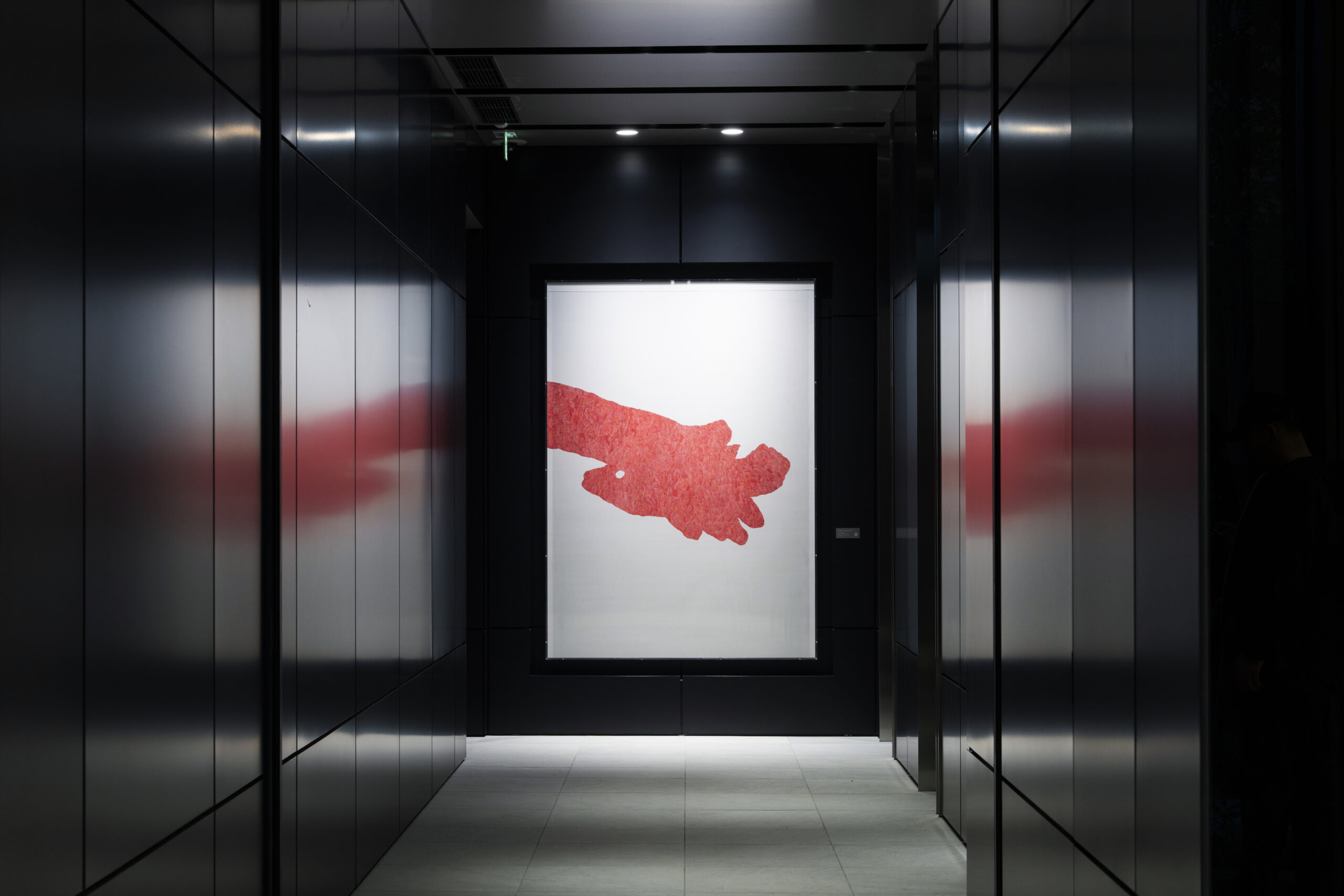
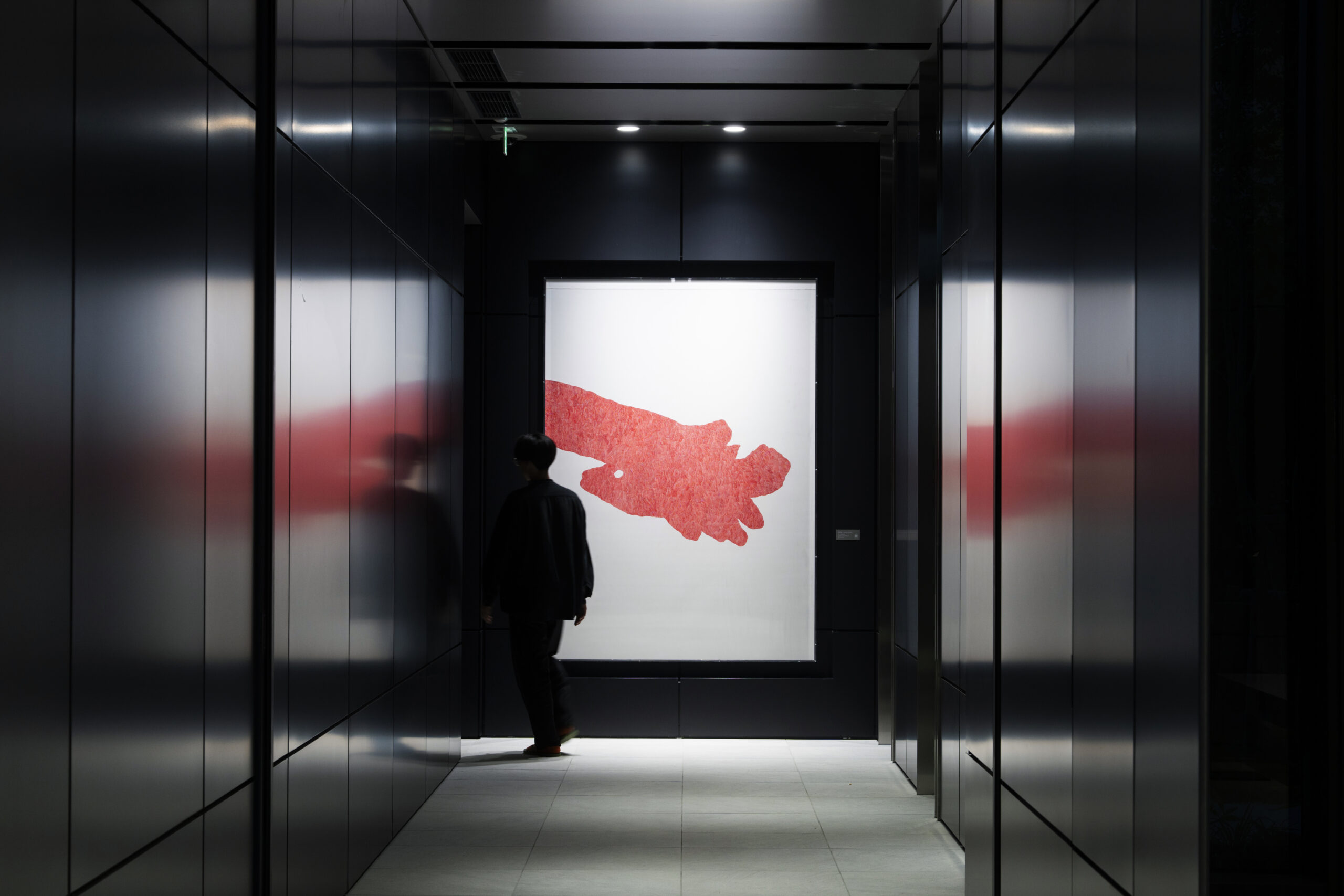
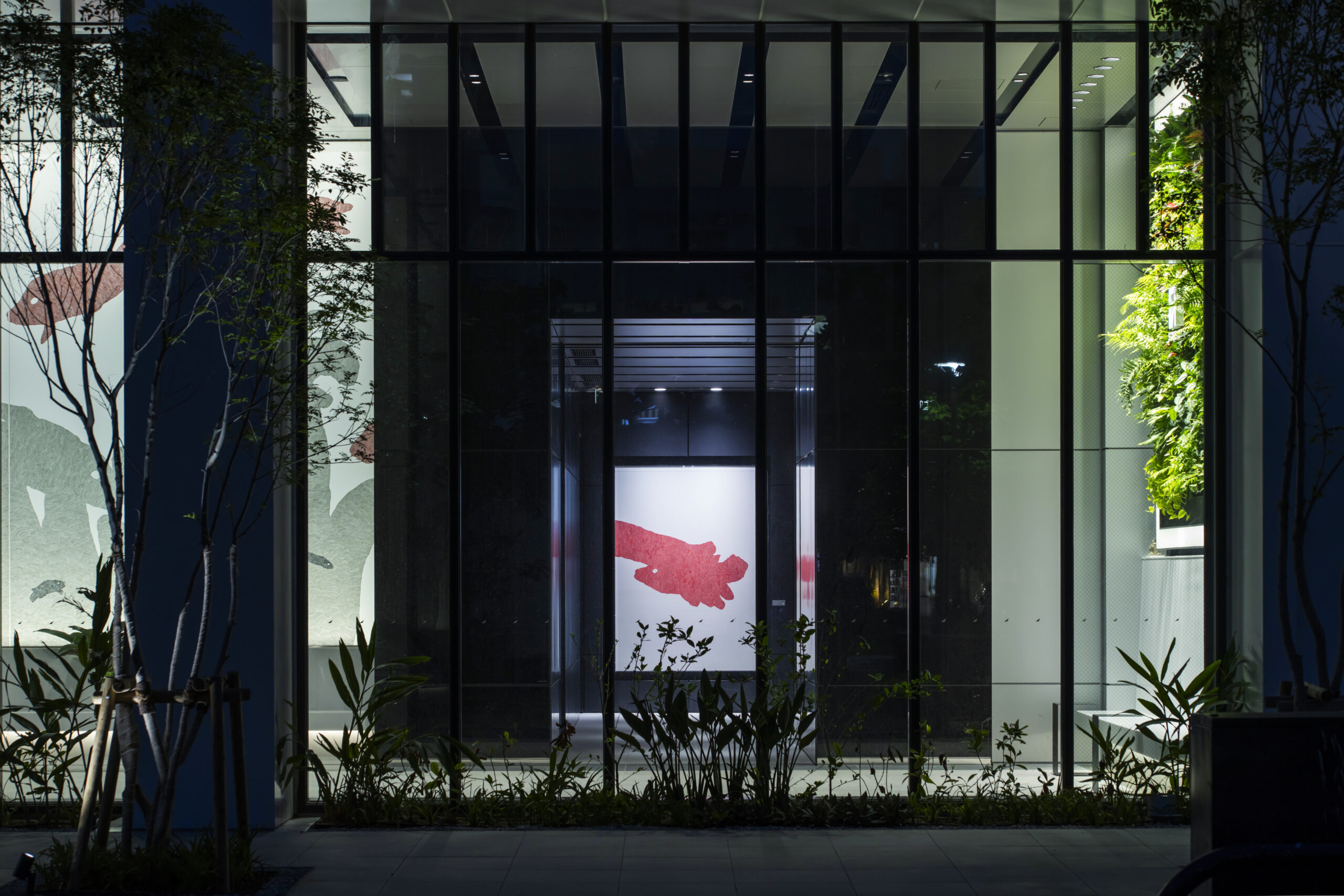
Following the success of S-GATE Hakata Station East, Code-a-Machine has curated the artwork for a new office building space. For the entrance of S-GATE NAHA SHINTOSHIN, Code-a-Machine selected works by Umihiko Matsuo — a painter who relocated to Okinawa and continues to create there — as the public art installation. Through an illuminated light wall and paintings displayed in the EV Hall, Code-a-Machine and the artist together created a space filled with the light and atmosphere of Okinawa.
Read More
S-GATE is an office building brand that supports evolving companies and business professionals. As part of the brand’s update, Code-a-Machine will be responsible for curating the artwork. In particular, we will select artworks that provide a sense of tranquility, in line with S-GATE’s philosophy of creating spaces that prioritize well-being.
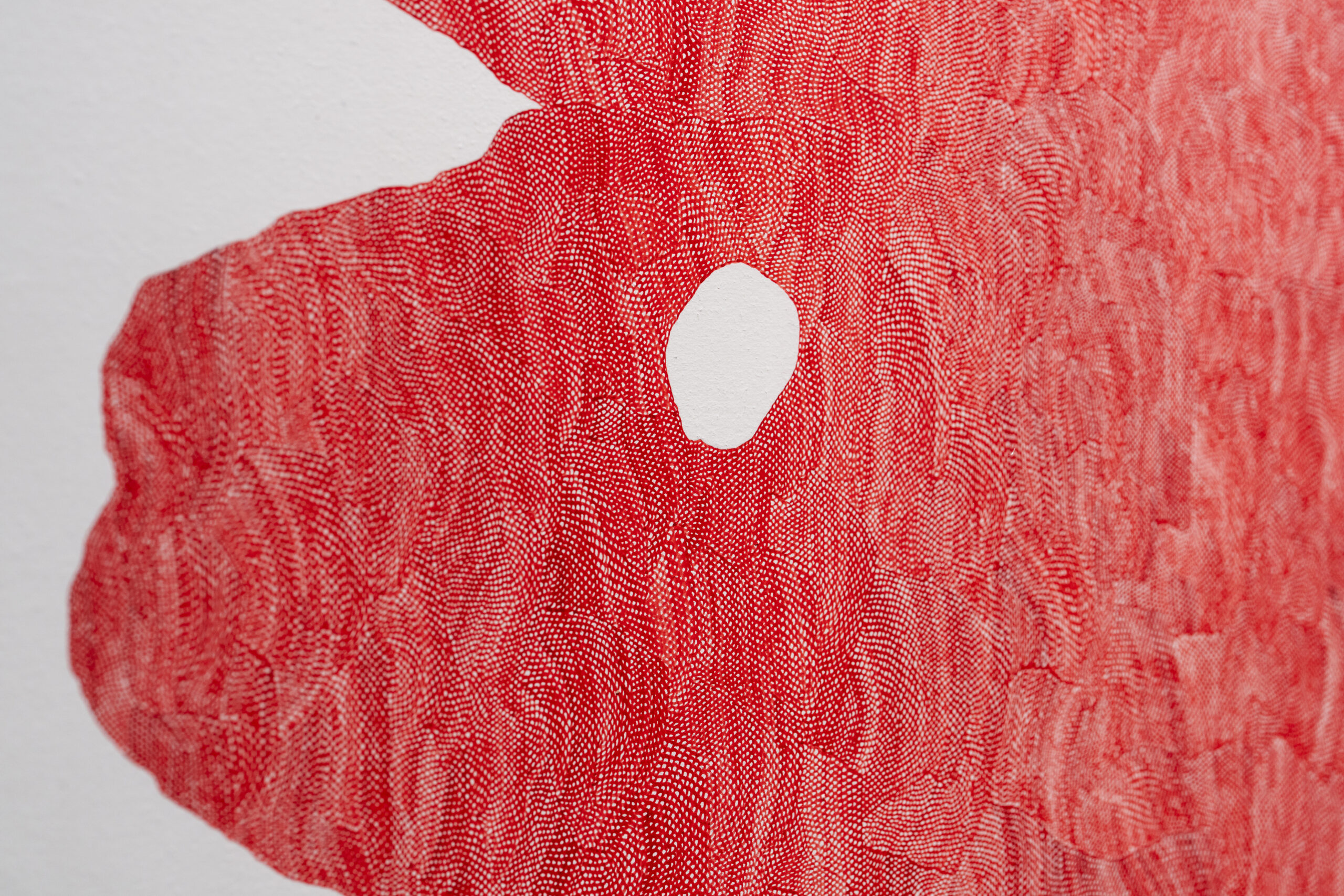
For S-GATE NAHA SHINTOSHIN, a public art piece by Okinawa-based artist Matsuo Umihiko was installed at the building’s entrance. Matsuo is an artist who uses painting as a means to reexamine the very coordinates of our existence. Through close observation of the interplay between nature and humanity, combined with in-depth research into society and history, he creates meticulous Japanese paintings using Gofun (white pigment) and Sumi (ink) — bringing to light the often-invisible “connections” that bind us.
This perspective gives rise to a space that holds both the functional demands of business and the “connections” and “balance” essential to human experience. Through this project, we aimed to go beyond mere spatial decoration — to shape the identity of the facility itself, and to enrich the quality of thought and sensibility of all who gather there.
The Public Art Concept for S-GATE NAHA SHINTOSHIN
This work explores the theme of our lives at the intersection of nature and society in Okinawa.
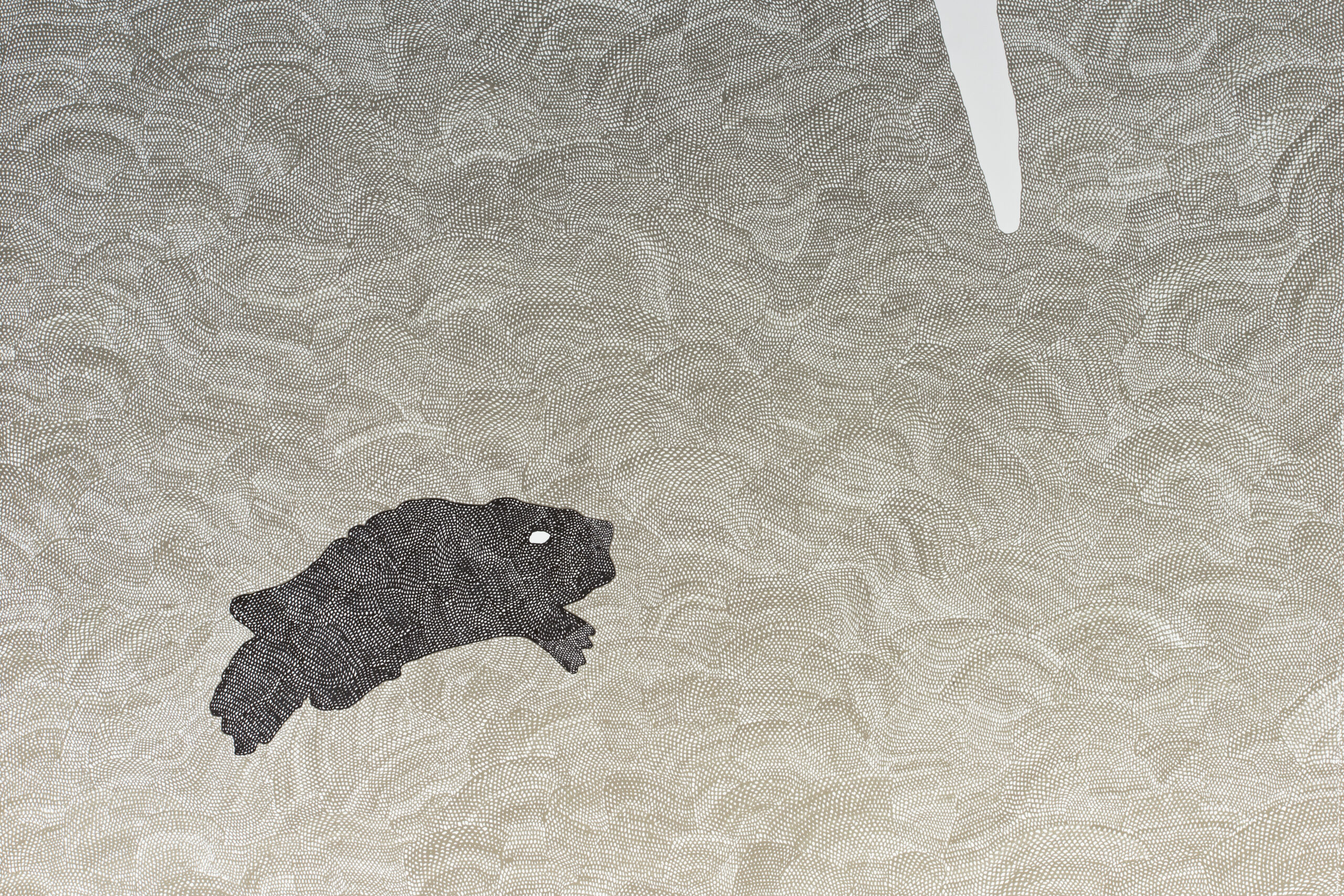
The artist describes the moment when a fish swimming in the sea or a river appears at the end of a fishing line and touches the palm of one’s hand as an invitation to imagine “a nodal point in time and space where nature and humanity — ordinarily worlds apart — briefly intersect.”
Inspired by the tradition of fish printing, these paintings capture not only the form of the fish itself, but also the layers of time and history etched into the land, and the living connection between city and nature.
The work centers on the Izumidai, a fish that inhabits the Mekaru Wetlands — a place that holds the memory of nature within the heart of the city of Omoromachi. Though introduced from outside the region, the Izumidai has taken root here and woven itself into the fabric of everyday life.
To pause and reflect, in this very place where we spend our days, on the threads that bind past to present and nature to city, is to invite a quiet spaciousness into the heart — a moment of harmony and quiet revelation.
The “connection” and “balance” at the heart of well-being find expression here: in the arc of a swimming fish, in a hand gently extended, and in colors that recall the luminous light of Okinawa.
Artist’s Profile
Matsuo Umihiko
Born in Tokyo in 1989, Matsuo Umihiko studied Japanese painting at the Okinawa Prefectural University of Arts and has made Okinawa his home ever since. Working primarily with Gofun (white pigment) and Sumi (ink) — the traditional materials of Japanese painting — he renders fish-print-inspired imagery through intricate, precise linework. At the heart of his practice is a sustained inquiry into place and personal coordinates within society, an exploration he deepens through the act of fishing and his encounters with the creatures of sea and river. In recent years, he has also extended his practice to organizing group exhibitions grounded in research into society and history.