

‘To Mend, Again’
‘To Mend, Again’
May. 17th–Jun. 1st, 2025
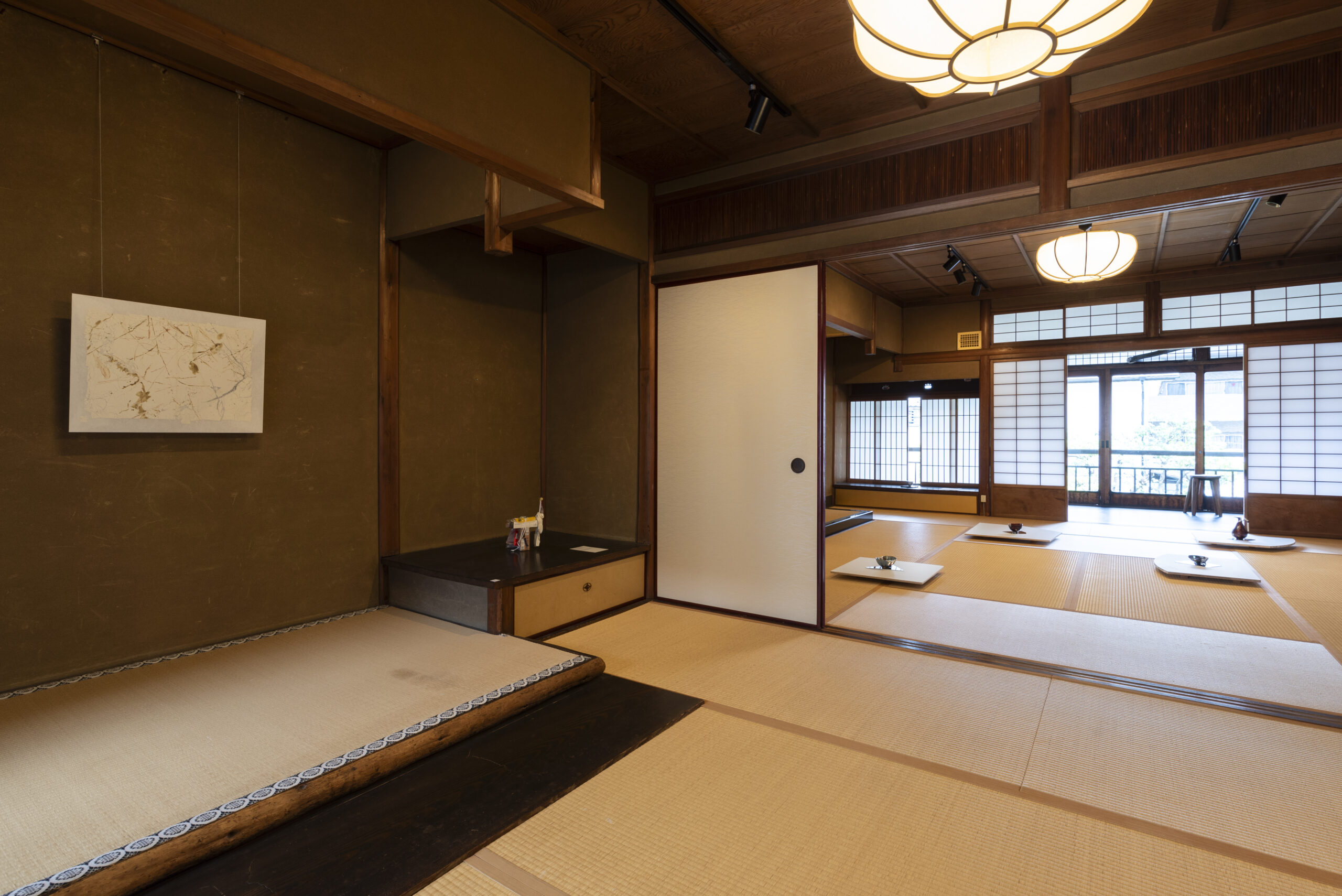
The Terminal KYOTO
Kyoto
Artists: HARIMA Midori / INOHARA Hideharu / SASAKI Moemi / UNO Yu / YAMAMOTO Takayuki
Organized by: All Minorities Project
Curated and written by: KANAZAWA Kodama
Planning Support: MASUI Shinichiro
Title Translation (EN): FUKUHARA Tomoko
Translation: WADA Taiyo
Main Visual: NAKAIE Toshiyuki
Handout & Caption Design: OZAWA Arisu
Exhibition Installation: SAKURAOKA Satoshi / KUMAGAI Takuya / YONEMURA Yuto / MURAKAMI Miki and O LamLam
- Curation/Planning
- Writing
An Exhibition in Collaboration with Developmental Disability Research
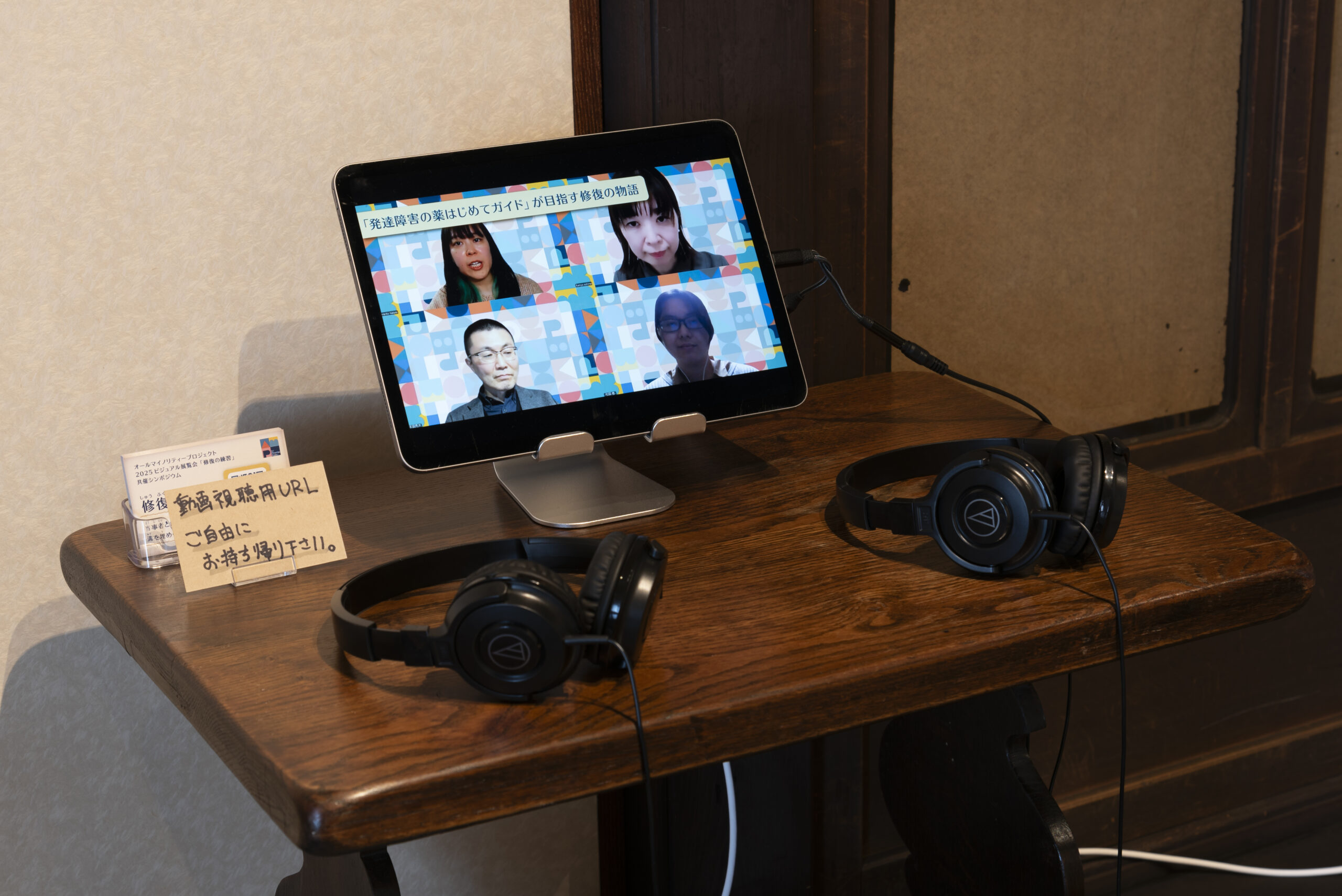
Commissioned by the All Minorities Project, a specialist group in developmental disability research, Code-a-Machine planned and realized an exhibition that reexamined communication with others through the lens of “mending what is broken.” The exhibition was a highly innovative collaboration between developmental disability studies and contemporary art. During the exhibition, a cross-talk session between artists and researchers took place. Through the exhibition and related talks, we created opportunities to reflect on what it means for majority and minority groups to coexist in society.
Read More
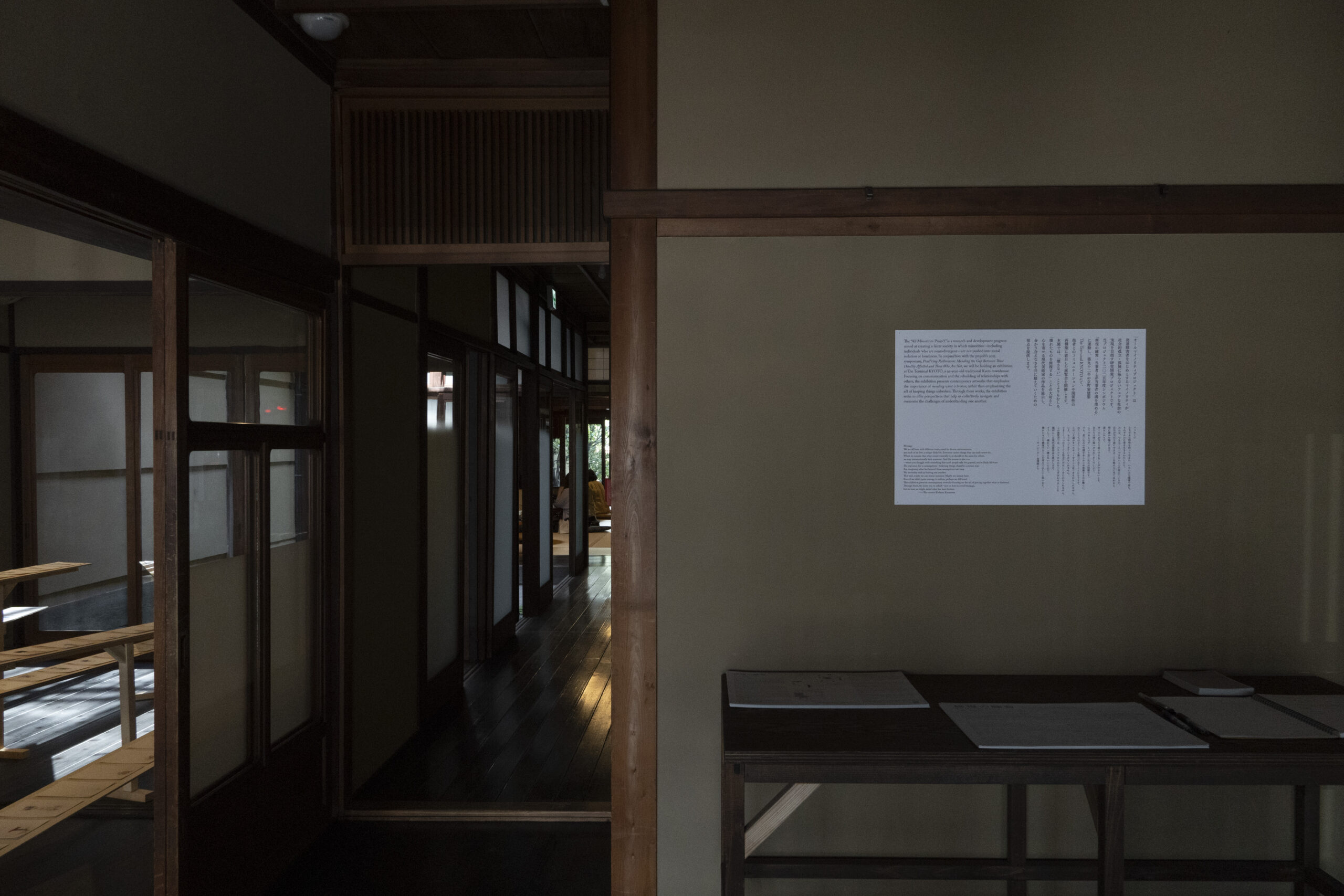
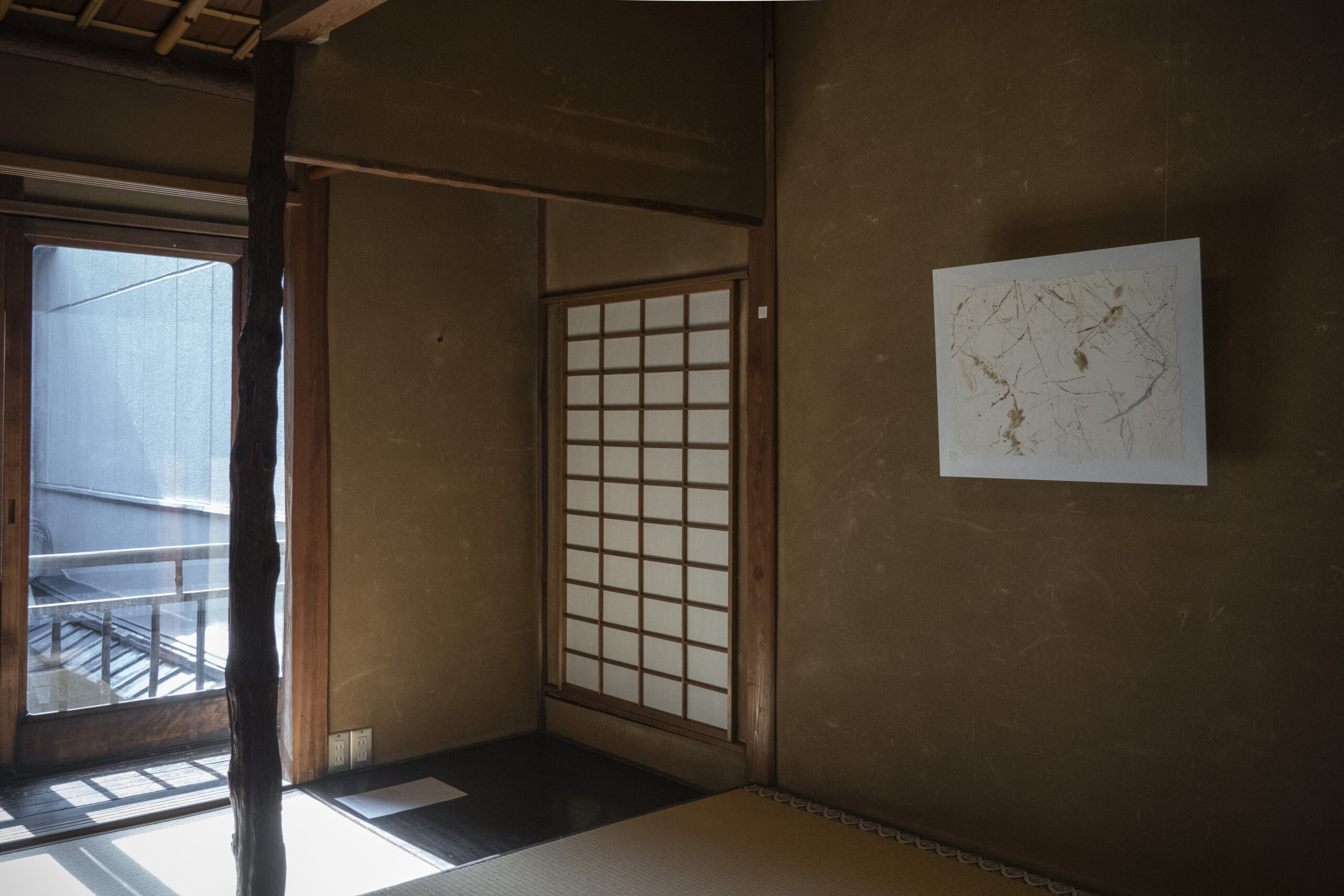
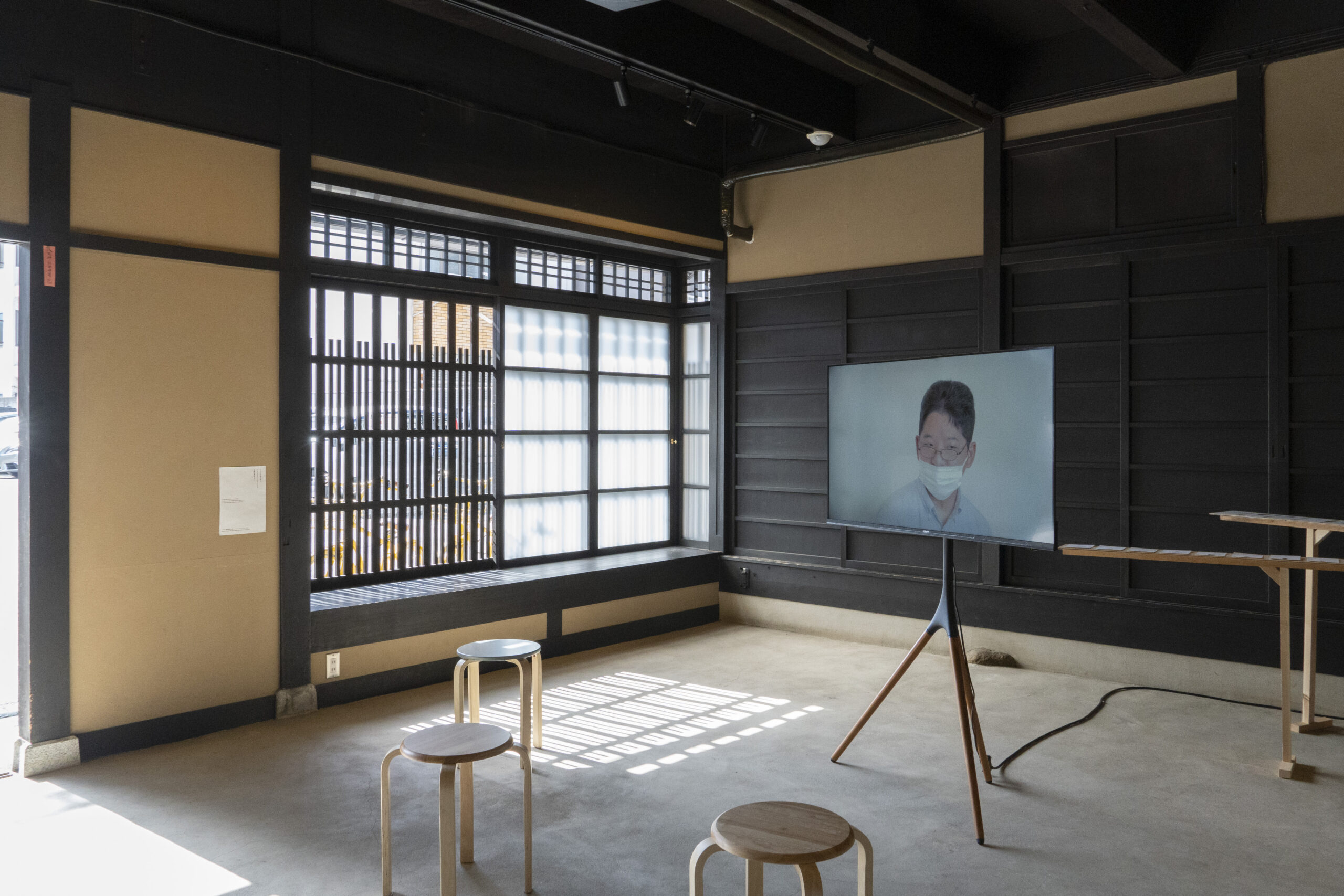
The “All Minorities Project” is a research and development program aimed at creating a fairer society in which minorities—including individuals who are neurodivergent—are not pushed into social isolation or loneliness. In conjunction with the project’s 2025 symposium, we held an exhibition at The Terminal KYOTO, a 92-year-old traditional Kyoto townhouse. Focusing on communication and the rebuilding of relationships with others, the exhibition presented contemporary artworks that emphasize the importance of mending what is broken, rather than emphasizing the act of keeping things unbroken. Through these works, the exhibition sought to offer perspectives that help us collectively navigate and overcome the challenges of understanding others.
Message from the curator Kanazawa Kodama:
“We are all born with different traits, raised in diverse environments, and each of us lives a unique daily life. Everyone carries things they can and cannot do. When we assume that what comes naturally to us should be the same for others, we may unintentionally hurt someone. And the reverse is also true—when you struggle with something that most people take for granted, you’ve likely felt hurt.
The real issue lies in assumptions—believing things should be a certain way. But imagining what lies beyond those assumptions isn’t easy. We inevitably end up hurting one another.
That said, maybe we can rescue someone. Maybe we already have. Even if we didn’t quite manage to restore, perhaps we still tried.
This exhibition presents contemporary artworks focusing on the act of piecing together what is shattered. Through them, we invite you to reflect—not on how to avoid breakage, but on how we might mend what has been broken.”
About the All Minorities Project
The All Minorities Project is a research and development initiative that addresses the structure of contemporary society, which is built upon implicit assumptions about the values and norms of the majority (for example, “Japanese people (in Japan),” “men,” “non-disabled people,” “heterosexuals,” and so on). Its goals are to support understanding of the values and norms of minority groups (for instance, “people with nationalities other than Japanese (in Japan),” “women,” “people with disabilities,” “LGBTQIA+,” etc.), and to build a social foundation in which majority and minority groups can coexist without discrimination or prejudice.
This project focuses first on people with developmental disabilities as a minority and consists of three components: 1. Empirical research, which investigates discrimination and prejudice directed at people with developmental disabilities; 2. Application development, which uses data from empirical research to create tools that help reduce or eliminate such discrimination and prejudice; 3. Social implementation, which promotes the use of the developed application and extends the approach to minority groups beyond those with developmental disabilities.
Artist Profiles
HARIMA Midori
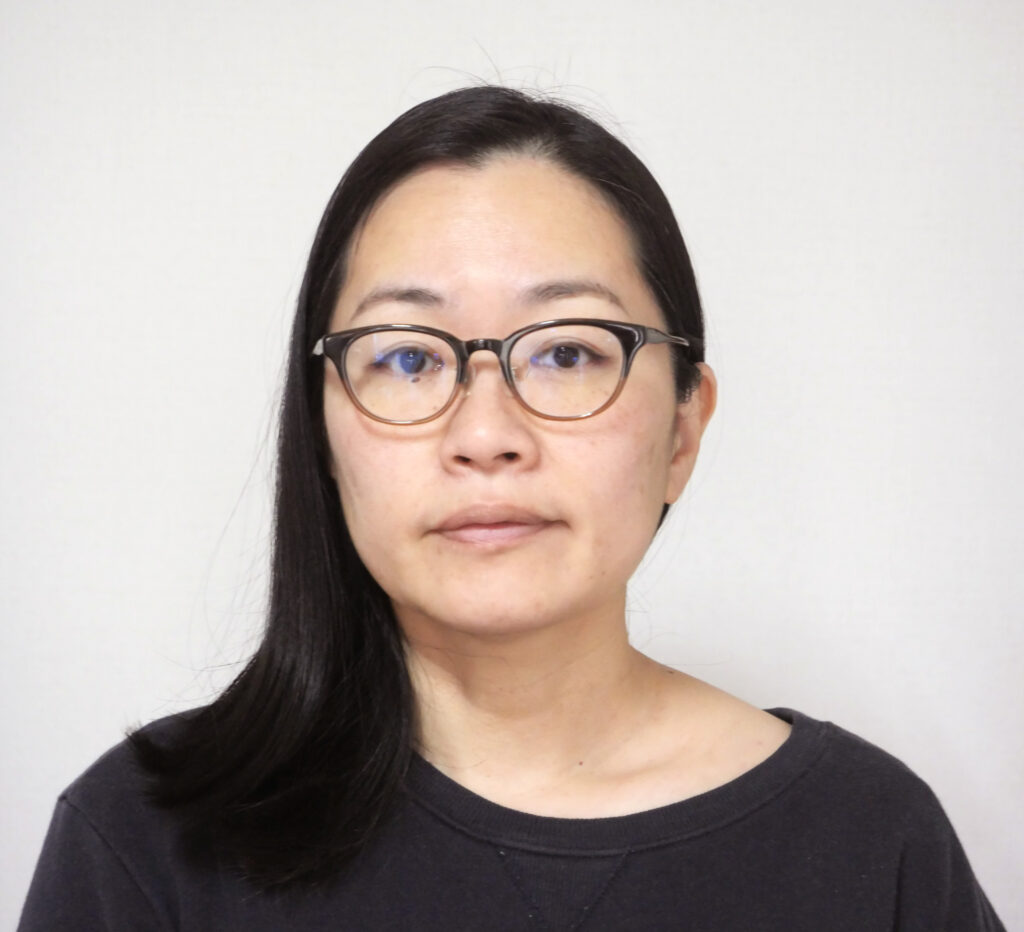
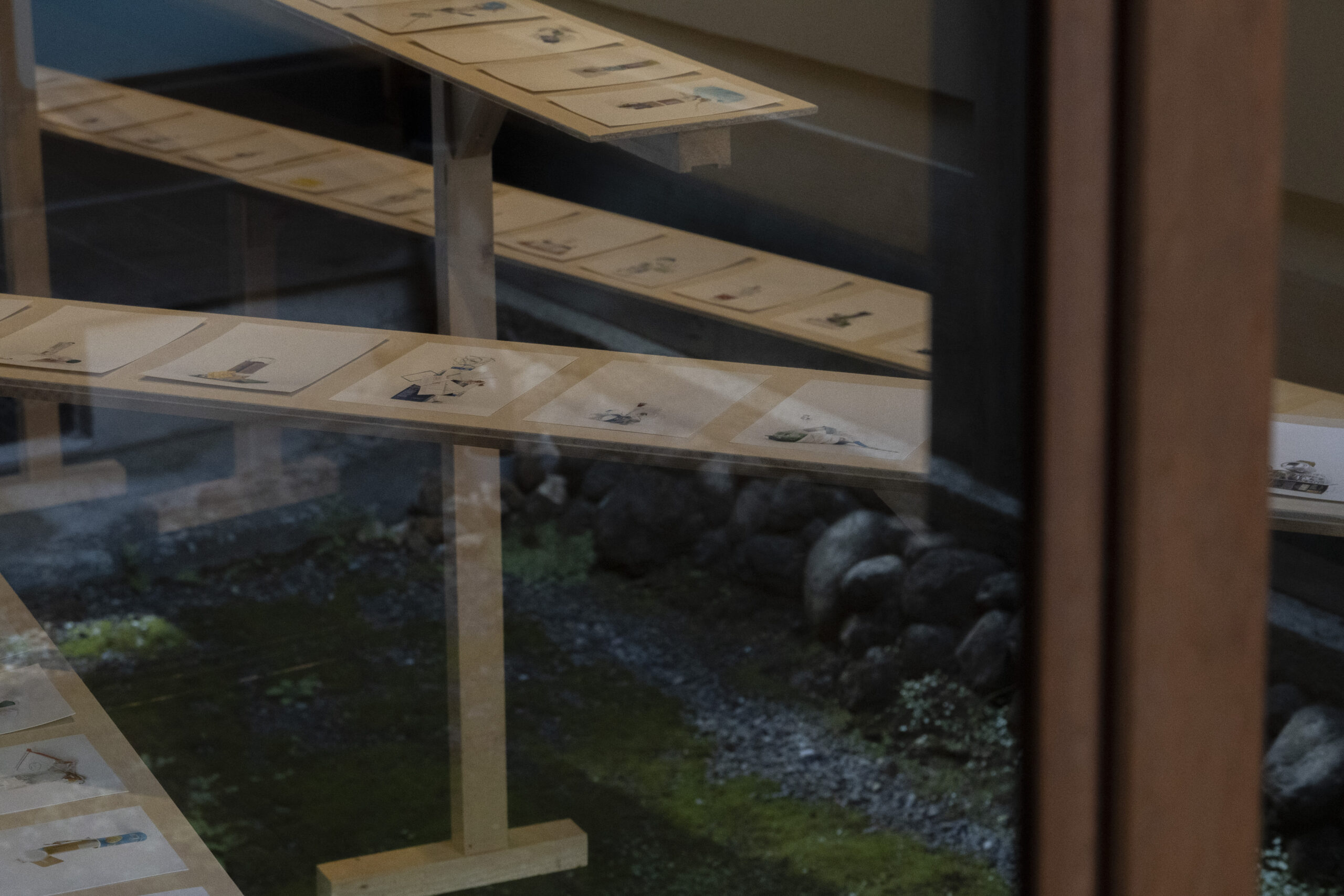
Born in 1976 in Yokohama, Harima Midori creates works based on print media and the experiences surrounding it. In addition to paper sculptures and installations made from black-and-white photocopies of images overflowing across various media, her recent work explores the multiplicity of perspectives and identity through bodily movement and transition, using the processes and systems of printmaking and its relative nature. Through this, the artist explores how both artwork and artist might exist in a non-centralized, non-absolute way.
Recent solo exhibitions include ‘This Is A Mirror’ at The Shirley Fiterman Art Center, New York (2023) and ‘Crossing the Boundary From Behind’ at Fujisawa City Art Space, Fujisawa (2022). Notable group exhibitions include ‘A Quest into the World “with” PAPER’ at Contemporary Art Museum Kumamoto, Kumamoto (2022), ‘Lyrics, Gestures and Games’ at Kala Art Institute, Berkeley (2017).


INOHARA Hideharu
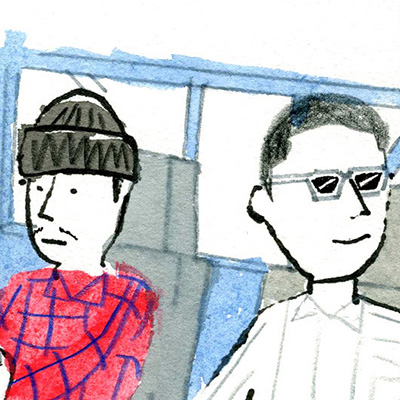
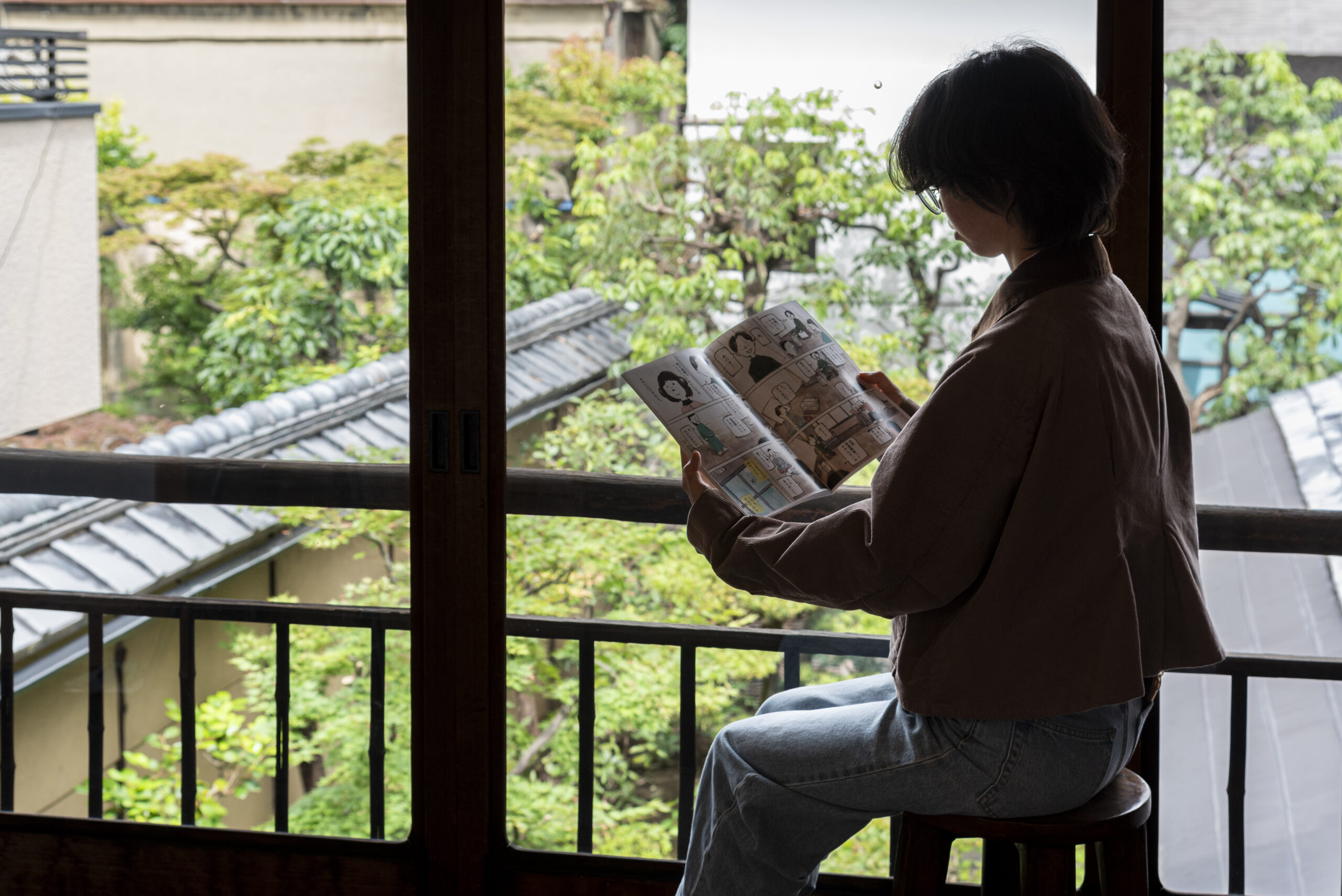
Born in 1985 in Saitama, Inohara Hideharu is a comic artist who graduated from the Department of Painting (Oil Painting Course) at Tama Art University. Author of We’re Bad Animals, BEAM COMIX, 2020. Inohara has been releasing a manga that offers the perspectives of an individual directly affected by developmental disabilities on the “All Minorities Project” website. Notable solo exhibitions include ‘Manga No Kibori (Wood Carving Manga)’ at MAT, Tokyo(2023).


SASAKI Moemi
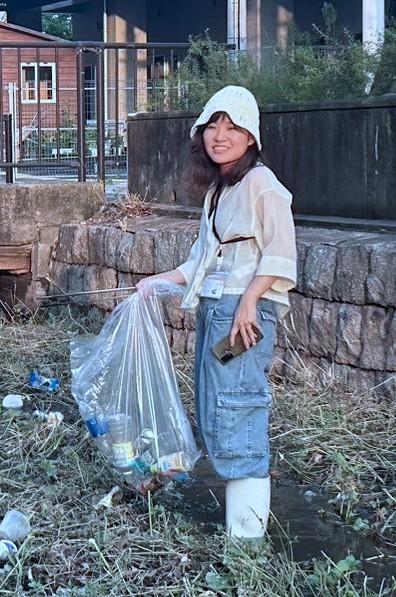
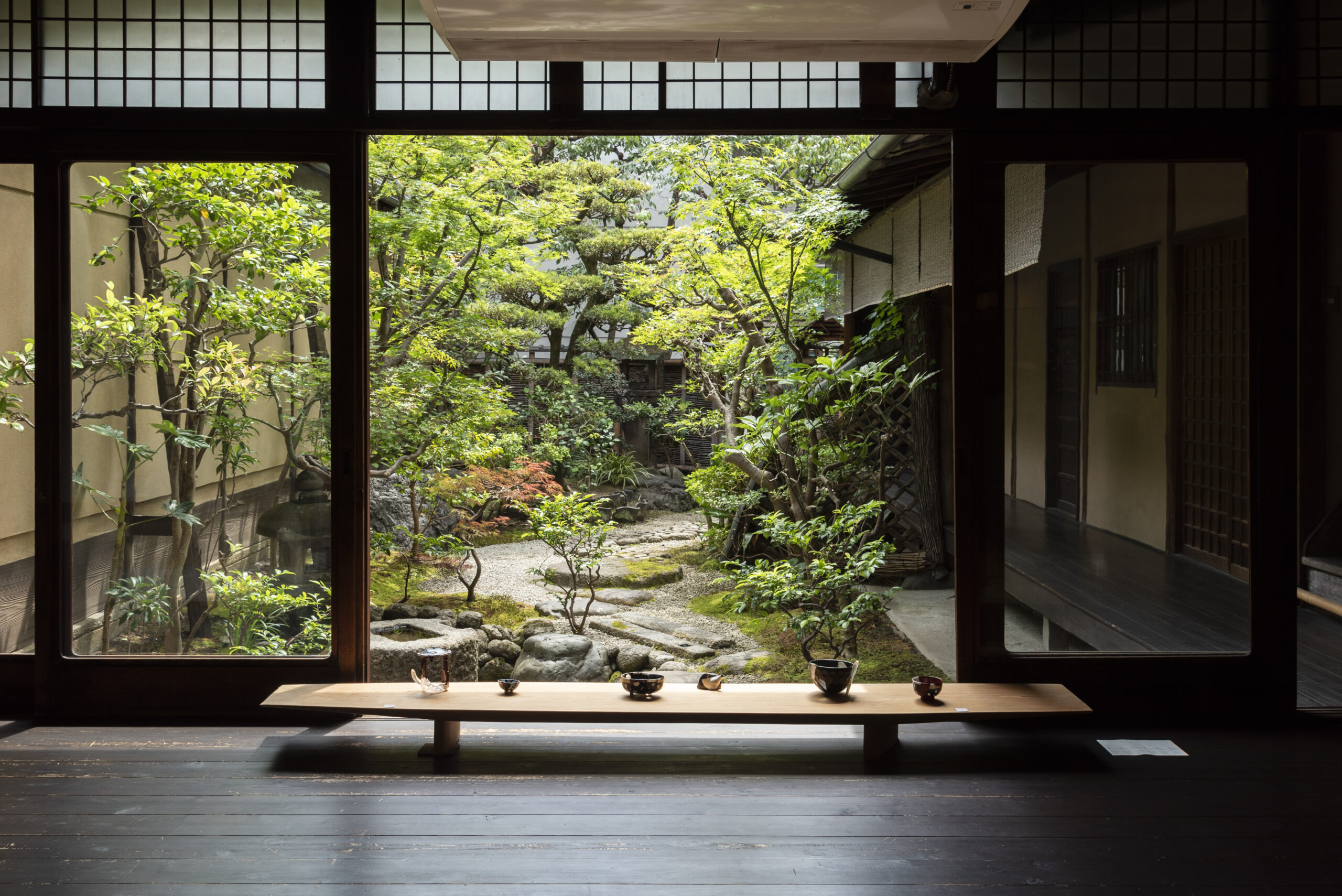
Born in Hokkaido in 1991 and currently based in Kyoto, Sasaki Moemi is an Urushi (lacquer) artist who graduated with a specialization in Lacquer Arts from the Graduate School of Kyoto City University of Arts. Rooted in a deep interest in the continuity of human activity and time, moving from the past towards the future, she has recently been creating works such as kintsugi and yobitsugi — joining fragments of ceramics collected from rivers flowing through Kyoto with Urushi. Recent solo exhibitions include ‘Shells of the City’ at ROD GALLERY, Tokyo (2024), and recent group exhibitions include ‘Kyoto Art for Tomorrow 2024 – Selected Up-and-coming Artists’ at The Museum of Kyoto, Kyoto (2024).


UNO Yu
タテ-819x1024.jpg)
Uno Yu incorporates damage and aging into his works, focusing on the fragility of ceramics. Keeping in mind the ways objects have been preserved throughout cultural and art history, he proposes a new perspective on the existence of objects, how we interact with them, and how they are passed down. Notable solo exhibitions include ‘Re-calling Flakes’ at GALLERY crossing, Minokamo (2024), and ‘Warete mo sueni · after 1’ at LAD GALLERY, Nagoya (2022).


YAMAMOTO Takayuki
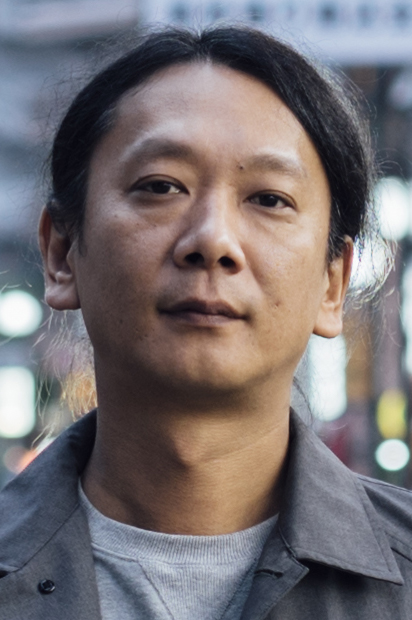
Through the creative sensibilities inherent in children’s conversations and play, Takayuki Yamamoto has been illuminating the often-unnoticed peculiarities of systems and customs, as well as the relationship between the individual and society. In recent years, he has also engaged in collaborative projects with local communities and has been involved in alternative art school programs aimed at the general public. Yamamoto graduated from Chelsea College of Art and Design, University of the Arts London.
Extensive participation in national and international exhibitions. Recent solo exhibitions include ‘Children of Men’ at Art Lab Aichi, Aichi (2017) and ‘New Hell, What Kind of Hell Will We Go to?’ at Kadokawa Culture Museum, Saitama (2025). The artist also served as a Learning Curator for Aichi Triennale 2022, Aichi (2022).


